Archivos: Episodio
Conectando Puntos Epidodio 136: La piscina de la realidad
Un año más, toca enfrentarnos a la realidad y ponernos delante de las métricas, para ver qué ha pasado en estos doce meses y ver si hemos cumplido nuestros objetivos conectantes. Todo ello aderezado con un buen algoritmo, una guerra de SEO y una app recomendada. ¿Nos acompañas? Para contactar con nosotros, podéis utilizar nuestra…
Read More
Mayo Clinic Talks 213: COVID-19 Miniseries Episode 58: Mayo Clinic Q&A – #AskTheMayoMom about COVID-19 and School Children
This episode is shared from Mayo Clinic Q&A and was recorded in January, 2021. Guests: Emily R. Levy, M.D. (@EmilyLevy797); Nipunie S. Rajapakse, M.D., M.P.H. (@nrajapakseMD) Host: Angela C. Mattke, M.D. (@DrAngelaMattke) Around the world, COVID-19 vaccinations are underway, but only in adults. Pfizer’s vaccine has been authorized for ages 16 and up, while Moderna’s…
Read More
RdeFamilia Episodio 04. Primeras veces
La primera guardia de urgencias. Experiencias y consejos que te ayudarán en tu primera experiencia en la urgencia durante tu residencia. Colaboran Lucia Rosario (R1), Cristina Benitez (R1), Raul Piedra (R23). Dirige Laura Perez (R1). Centro de Salud…
Read More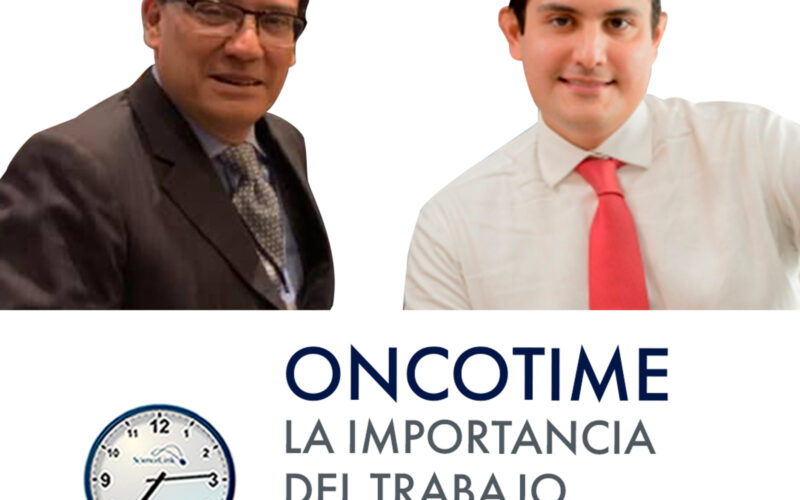
ScienceLink La importancia del trabajo multidisciplinario en CPCNP
El Dr. Iván Romarico González, oncólogo médico, junto con el Dr. Sergio Sánchez, médico anatomopatólogo, ambos adscritos al Hospital Ángeles Puebla en Puebla, México, nos comentan sobre la importancia del trabajo multidisciplinario en CPCNP.
Read More
Entiende Tu Mente 5: Entre la ingenuidad y la desconfianza | 171
¿Alguna vez te has parado a pensar en con qué actitud te predispones a relacionarte con el entorno que te rodea? ¿Partes de la confianza o de la desconfianza? Las personas más ingenuas tienden a creer en la bondad del ser humano y a pensar que nadie va a querer hacerles daño. Este es el…
Read More
Voces por la Salud / Voices for Health, by Roche 14: Interview with Alberto Alemanno: «The role of citizens in the transformation of health systems» – Voices for Health, a podcast by Roche
The actions and behaviors of citizens can have a significant impact on individual and collective well-being. We talked with Alberto Alemanno, expert in public policy and author of the book «Lobbying for change: Find Your Voice to Create a Better Society»
Read More
Frankly Speaking About Family Medicine A Big Change for the 2021 Medicare Physician Fee Schedule: New Guidance on Coding
Credits: 0.25 AMA PRA Category 1 Credits™ Claim CME/CE credit: https://www.pri-med.com/online-education/podcast/frankly-speaking-coding-update Overview: This session will overview the new 2021 changes for outpatient E&M billing documentation requirements. Guest: Robert Baldor, MD, FAAFP Music Credit: Richard Onorato
Read MoreAFP: American Family Physician Podcast 13: Episode 125 — January 1, 2021 AFP American Family Physician
An editorial on systemic racism (1:40), breast cancer screening (5:00), electronic cigarettes for smoking cessation (10:30), treatment-resistant depression (12:30), eating disorders in primary care (14:50), and appropriate use of diagnostic imaging (18:50).
Read MoreMayo Clinic Talks 212: Motion is Lotion: Staying Healthy While Working Remote
Guest: Corey M. Kunzer, P.T., D.P.T., SCS, (@KunzerCorey) and Edward R. Laskowski, M.D. (@DrEdSportsMed) Host: Darryl S. Chutka, M.D. (@ChutkaMD) Over the past decade more individuals have begun working remotely; the numbers have increased dramatically this past year with the COVID-19 pandemic. While there are some advantages to working remotely, there are also some potential…
Read More