casimedicos

Neurology® Podcast July 2025 Recall: Practice of Neurology

The July 2025 recall features four episodes on systems and innovation in delivering neurologic care. The episode begins with Dr. Scott Friedenberg discussing challenges faced by neurologists in balancing financial productivity with optimal patient…

Read More

Mayo Clinic Talks 601: Inflammatory Bowel Disease Series: Diagnosing Inflammatory Bowel Disease (IBD) and Monitoring Modalities

Host: Darryl S. Chutka, M.D. Guests: David H. Bruining, M.D., and Nayantara Coelho-Prabhu, M.B.B.S. An early diagnosis of inflammatory bowel disease is important in preventing long-term complications. Prompt treatment can improve quality of life, reduce the likelihood of hospitalizations, and help maintain remissions. However, establishing a diagnosis is often challenging due to the nonspecific and…

Read More

Neurology® Podcast Prehospital Large-Vessel Occlusion Stroke Detection Scales

Dr. Dan Ackerman talks with Drs. Luuk Dekker and Jasper D. Daems about analyzing various anterior-circulation large-vessel occlusion (aLVO) stroke detection scales to determine which one is the most useful for prehospital triage. Read the related…

Read More

AFP: American Family Physician Podcast 24: Episode 232 — June 2025 — Part 2 AFP: American Family Physician

Nocturia (1:30), assessing the risk of atrial fibrillation (5:00), zoledronate reduces fracture risk (7:20), endometrial cancer (10:10), diabetes-related foot infections (13:50), and at-home gonorrhea and chlamydia testing (15:50).

Read More

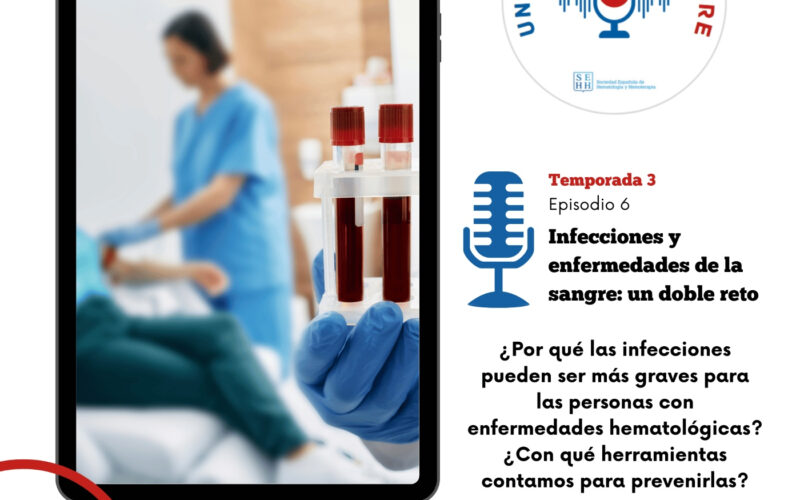
Un viaje por la sangre 6. Infecciones y enfermedades de la sangre: un doble reto

Nuestro sistema inmunológico es la primera línea de defensa que tiene el cuerpo para protegernos de infecciones y enfermedades. Pero, ¿qué sucede cuando esa defensa se ve debilitada? En este capítulo de “Un viaje por la sangre” hablaremos de la mano del doctor José Luis Piñana, hematólogo de la Unidad de Trasplante y Terapia Celular…

Read More

AMA Update 615: How medicine and the American Medical Association have changed with James Madara, MD

What’s being CEO of the American Medical Association like? What are doctor CEOs doing? How has medicine and the American Medical Association changed? After leading the AMA for 14 years, CEO and Executive Vice President James L. Madara, MD, steps down at the end of this month. In this episode, Dr. Madara reflects on his time at the AMA, shares his proudest accomplishments and most memorable moments, and looks ahead to what’s next for the AMA. AMA CXO Todd Unger hosts.

🎥 Watch #AMAUpdate for healthcare news for physicians, residents and medical students: https://ama-assn.co/AMAUpdate

💜 Not a physician? Join the Patients Action Network: https://ama-assn.co/PatientsActionNetwork

📨 Stay up to date on all the latest advocacy news by subscribing to AMA Advocacy Update: https://ama-assn.co/Advocacy_newsletter

🩺 The AMA is your powerful ally, focused on addressing the issues important to you, so you can focus on what matters most — patients. We will meet this challenge together. Join us: https://ama-assn.co/JoinRenew

🥼 Go to https://ama-assn.co/FightingForDocs to learn more about our AMA advocacy priorities, including:
▹ Reforming Medicare payment
▹ Fighting scope creep
▹ Fixing prior authorization
▹ Reducing physician burnout
▹ Making technology work for physicians

Read More
Frankly Speaking About Family Medicine Is Vitamin K the Way? Rethinking Treatments for Nocturnal Leg Cramps – Frankly Speaking Ep 439

Credits: 0.25 AMA PRA Category 1 Credit™   CME/CE Information and Claim Credit: https://www.pri-med.com/online-education/podcast/frankly-speaking-cme-439 Overview: Nocturnal leg cramps (NLCs) are common in older adults, but current treatments often fall short or carry risks. Listen in as we explore new evidence on the safety and efficacy of vitamin K2 as a potential treatment for NLCs. Come…

Read More

MDS Podcast Prime editing – A future therapy for cortical myoclonus?

Prof. Marina de Koning-Tijssen interviews Prof. Sabine Fuchs on the potential of prime editing as a future therapy for cortical myoclonus. This exciting new development holds promise for the treatment of rare genetic disorders such as GOSR2. In the interview, Prof. Fuchs provides valuable insights into the science and potential applications of this groundbreaking technique.

Read More